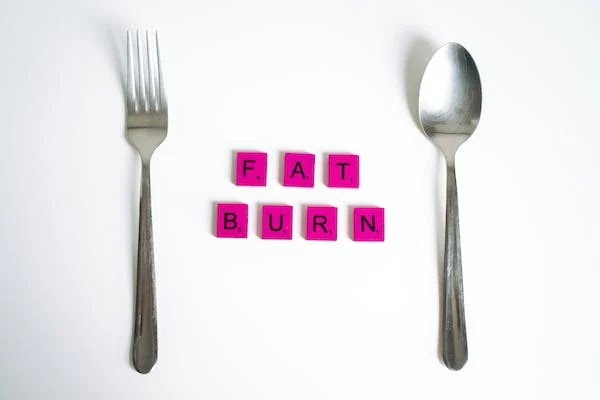
5 Morning Habits That May Support Weight Loss: What Should You Do Every Day?
Have you ever wondered why some people seem to maintain healthy habits effortlessly while others struggle to lose weight despite trying different diets and exercise plans?
The answer may not be a secret diet or an expensive supplement. Sometimes, small daily habits make the biggest difference.
Your morning routine can influence your food choices, energy levels, physical activity, and appetite throughout the day. Although no morning habit can magically burn belly fat, building a consistent routine may help you manage your weight more effectively over time.
The good news is that you do not need to wake up at 5 a.m., follow an extreme diet, or spend hours at the gym. A few realistic changes can help you create a healthier lifestyle without making your day unnecessarily complicated.
In this article, we will explore five morning habits that may support weight loss, explain why they matter, and share practical tips you can start using tomorrow.
1. Start Your Morning With a Glass of Water
After several hours of sleep, drinking water is a simple way to begin your day hydrated.
Water is essential for normal body functions, including temperature regulation, digestion, and circulation. Drinking water before breakfast may also help some people manage their appetite, particularly when it replaces sugary drinks.
However, water is not a fat-burning miracle. Drinking it does not directly melt belly fat or significantly increase metabolism on its own.
How can water support weight loss?
- Helps maintain hydration: Proper hydration supports normal physical and mental function.
- May support appetite management: Drinking water before a meal may help some people feel more satisfied.
- Replaces sugary beverages: Choosing water instead of sweetened drinks can reduce daily calorie intake.
- Supports physical activity: Staying hydrated is important when walking, exercising, or working outdoors.
What should you do?
Drink a glass of water after waking up, then continue drinking according to your thirst and daily needs. You can add lemon or cucumber slices for flavor, but they are not necessary for weight loss.
Pro tip: Keep a glass or bottle of water near your bedside or breakfast area to make hydration an easy daily habit.
2. Eat a Balanced Breakfast Rich in Protein and Fiber
Breakfast can be an important opportunity to provide your body with nutrients and establish a healthy eating pattern for the day.
The best breakfast for weight management is not necessarily the smallest one. It is a meal that fits your energy needs and provides a useful combination of protein, fiber, and other essential nutrients.
Protein can help you feel full, while fiber-rich foods support digestive health and may improve satiety.
What are the best breakfast foods for weight loss?
Consider including these nutritious options:
- Eggs: Provide high-quality protein.
- Oatmeal: Supplies fiber, including beta-glucan.
- Plain Greek yogurt: Offers protein and calcium.
- Berries and apples: Provide fiber, vitamins, and naturally occurring plant compounds.
- Nuts and seeds: Supply healthy fats, fiber, and other nutrients.
- Whole-grain bread: Provides more fiber than many refined-grain alternatives.
Example of a healthy weight-loss breakfast
Try two eggs with whole-grain toast and tomatoes, or oatmeal topped with plain yogurt, berries, and a small serving of nuts.
You do not have to eat breakfast immediately after waking up. Research does not establish that everyone must eat breakfast to lose weight. If you prefer eating later, focus on maintaining a balanced diet and avoiding excessive hunger that leads to overeating.
Pro tip: Reduce sugary cereals, pastries, and heavily sweetened coffee drinks when these foods contribute excess calories to your daily diet.
3. Get Moving With Morning Exercise
Physical activity is one of the most useful habits for improving overall health and supporting long-term weight management.
You do not need to perform an intense workout every morning. Walking, cycling, stretching, bodyweight exercises, or a short strength-training session can all help you become more active.
Regular physical activity increases energy expenditure and can improve cardiovascular fitness, insulin sensitivity, and muscle strength.
Which morning exercises are best for weight loss?
Brisk walking: An accessible way to increase daily movement and improve cardiovascular health.
Strength training: Helps build or maintain muscle, especially during weight loss.
Bodyweight exercises: Squats, wall push-ups, and other simple movements can be performed at home.
Cycling: Provides an alternative to walking for improving cardiovascular fitness.
Yoga and mobility exercises: Can support flexibility, balance, and stress management, although their calorie expenditure varies.
How much exercise should you do?
Start with 10–20 minutes of movement if you are new to exercise. Gradually increase your activity as your fitness improves.
For general health, the World Health Organization recommends that adults aim for at least 150–300 minutes of moderate-intensity aerobic activity per week, or an equivalent amount of vigorous activity, along with muscle-strengthening activities on at least two days per week.
You can divide this activity into manageable sessions throughout the week. Consistency matters more than choosing a particular time of day.
Pro tip: If you have limited time, take a brisk walk after waking up or walk for 10 minutes after breakfast. Choose an activity you enjoy enough to continue.
4. Manage Morning Stress Before It Controls Your Day
Stress may influence eating habits, sleep quality, motivation, and overall health.
When people experience persistent stress, they may be more likely to seek comfort foods, snack frequently, or find it difficult to maintain an exercise routine. Stress can also affect sleep and appetite regulation.
Cortisol is a hormone involved in the body's stress response. Although cortisol naturally changes throughout the day, it is inaccurate to assume that every increase in cortisol causes belly fat or that a morning relaxation technique directly burns fat.
The goal is to develop healthier ways to manage stress and support sustainable habits.
Simple ways to reduce morning stress
- Spend five minutes practicing slow, comfortable breathing.
- Sit quietly without checking your phone.
- Write down your priorities for the day.
- Take a short walk outdoors.
- Try meditation or gentle stretching.
- Make time for a relaxing breakfast when your schedule allows.
Why does stress management matter for weight loss?
Reducing stress may help you make more deliberate food choices, maintain better sleep habits, and stay consistent with physical activity.
If you frequently eat in response to stress, try identifying the situations that trigger the behavior. Planning balanced snacks and finding non-food ways to cope with difficult emotions may help.
Pro tip: Begin your morning with five quiet minutes before opening social media or checking work messages.
5. Get Enough Sleep and Maintain a Consistent Routine
Although sleep happens mostly at night, your morning routine can help reinforce a healthy sleep-wake schedule.
Sleep plays an important role in appetite regulation, energy, mood, and decision-making. Regularly getting insufficient sleep has been associated with a higher risk of weight gain and can make healthy eating and exercise more difficult.
For most adults, approximately seven to nine hours of sleep per night is a reasonable target.
How does sleep support weight management?
Helps regulate appetite: Insufficient sleep can influence hunger and fullness signals and may increase the desire for energy-dense foods.
Supports energy levels: Better rest can make it easier to remain physically active.
Improves decision-making: Fatigue may make it harder to plan meals and resist habitual snacking.
Supports recovery: Sleep is important for muscle repair and recovery after exercise.
How can you build a better sleep routine?
- Wake up at a consistent time most days.
- Get natural daylight in the morning when possible.
- Reduce bright screens and stimulating activities before bed.
- Avoid caffeine late in the day if it affects your sleep.
- Keep your bedroom comfortable, dark, and quiet.
- Establish a relaxing bedtime routine.
If you regularly experience loud snoring, interrupted breathing during sleep, or excessive daytime sleepiness, consider discussing these symptoms with a healthcare professional.
Pro tip: Choose a realistic wake-up time and work backward to establish a bedtime that allows enough sleep.
A Simple Morning Routine for Weight Loss
You do not have to follow a complicated schedule to build healthier habits. Here is an example of how these five habits could fit into an ordinary morning.
| Time | Activity | Potential Benefit |
|---|---|---|
| 7:00 a.m. | Wake up and drink water | Supports hydration |
| 7:10 a.m. | Walk or exercise for 15–20 minutes | Increases physical activity |
| 7:30 a.m. | Practice five minutes of slow breathing | Supports stress management |
| 7:40 a.m. | Eat a balanced breakfast if hungry | Provides essential nutrients |
| Throughout the day | Follow regular sleep and activity habits | Supports long-term weight management |
Adjust the times to fit your work schedule, family responsibilities, health, and personal preferences. This is an example, not a medically required routine.
What Should You Avoid in the Morning When Trying to Lose Weight?
Some common habits can make weight management more difficult, especially when they contribute to poor sleep, excess calorie intake, or inactivity.
1. Drinking sugary beverages regularly
Sweetened coffee, energy drinks, and soft drinks can add substantial calories. Water and unsweetened beverages are useful alternatives.
2. Relying on detox drinks
Lemon water, vinegar drinks, and commercial detox products have not been shown to cleanse the body of toxins or reliably burn body fat. Your liver and kidneys already perform essential waste-processing functions.
3. Skipping meals as a weight-loss rule
Skipping breakfast is not automatically harmful, but it is not necessary for weight loss either. Choose a meal schedule that helps you maintain a balanced diet and manage hunger comfortably.
4. Following extreme diets
Very restrictive diets may be difficult to maintain and can lead to nutritional deficiencies. A moderate, sustainable approach is generally more practical.
5. Expecting instant results
Daily body weight naturally fluctuates due to fluid balance, digestion, and other factors. Meaningful progress should be evaluated over time rather than by a single morning weigh-in.
How Long Does It Take to See Weight-Loss Results?
Weight loss varies depending on factors such as your starting weight, eating habits, activity level, sleep, medications, and medical conditions.
Some people notice improvements in energy or consistency within a few weeks. Changes in body weight and waist measurements may take longer.
For many adults with overweight or obesity, a gradual pace of approximately 1–2 pounds per week (about 0.45–0.9 kg) is commonly cited as a reasonable general target, although slower progress can also be healthy and appropriate.
The important point is that these five habits support weight management; they do not guarantee a specific amount of weight loss.
If your weight changes unexpectedly, or you have a medical condition affecting weight, consult a healthcare professional for individualized advice.
Final Thoughts
Losing weight does not require a perfect morning routine. It requires a collection of healthy habits that fit your life and can be maintained over time.
Start with one or two manageable changes. Drink water instead of sugary beverages, include nutritious foods in your meals, move your body regularly, find ways to manage stress, and protect your sleep.
As these habits become part of your daily routine, they may help you improve your overall health and work toward a sustainable weight-management goal.
Remember: There is no magic morning drink, supplement, or exercise that guarantees rapid fat loss. Consistency, balanced nutrition, physical activity, and adequate sleep are much more valuable than chasing quick fixes.
Medical Disclaimer
This article is intended for general educational purposes and does not replace professional medical advice. Weight-management needs vary from person to person. Consult a qualified healthcare professional before making major dietary or exercise changes, particularly if you have an existing medical condition.
Frequently Asked Questions (FAQs)
1. What is the best morning routine for weight loss?
A practical routine includes drinking water, eating balanced meals that suit your needs, getting regular physical activity, managing stress, and maintaining a consistent sleep schedule. The most effective routine is one you can sustain over time.
2. What should I drink first thing in the morning to lose weight?
Plain water is a sensible first choice because it supports hydration without adding calories. Lemon water is also fine if you enjoy the taste, but it has no proven special fat-burning effect.
3. Does drinking warm water in the morning burn belly fat?
No convincing evidence shows that warm water burns belly fat more effectively than cold or room-temperature water. Hydration is beneficial, but reducing body fat requires changes in overall energy balance and sustainable lifestyle habits.
4. What is the best breakfast for weight loss?
A balanced breakfast containing protein and fiber is a useful option. Examples include eggs with vegetables and whole-grain toast, oatmeal with plain yogurt and berries, or unsweetened Greek yogurt with fruit and nuts. Portion sizes should reflect your individual energy needs.
5. Is walking in the morning good for weight loss?
Yes. Morning walking can help increase daily physical activity, improve cardiovascular fitness, and contribute to energy expenditure. Walking at another time of day can provide similar benefits, so choose a schedule that works for you.
6. How can I lose belly fat naturally?
You cannot reliably target fat loss from just your belly. A balanced diet, regular physical activity, strength training, adequate sleep, and gradual weight loss when appropriate can help reduce overall body fat, including abdominal fat.
7. Does skipping breakfast help you lose weight faster?
Not necessarily. Some people prefer eating breakfast, while others follow a later eating schedule. Weight loss depends more on your overall dietary pattern, energy intake, nutritional adequacy, and ability to maintain healthy habits than on breakfast timing alone.
8. Can poor sleep prevent weight loss?
Poor sleep can make weight management more challenging by affecting appetite, food preferences, energy, and physical activity. Improving sleep may support your efforts, although it does not guarantee weight loss on its own.
9. Which morning exercises burn the most calories?
The number of calories burned depends on exercise intensity, duration, body size, and fitness. Running, brisk walking uphill, cycling, and other aerobic activities can increase energy expenditure. Strength training also helps maintain muscle during weight loss.
10. Are weight-loss supplements necessary for faster results?
No. Most people do not need weight-loss supplements to develop healthier habits. Some products have limited evidence, may interact with medications, or can cause serious side effects. Prescription weight-management medications may be appropriate for some people, but they require evaluation and monitoring by a qualified healthcare professional.
11. What is a healthy rate of weight loss per week?
A gradual rate of around 1–2 pounds per week is a commonly used general guideline for many adults with overweight or obesity. The appropriate pace varies, and people with certain medical conditions or nutritional needs may require a different approach.
12. When should I consult a healthcare professional about weight loss?
Seek professional advice if you have obesity-related health concerns, unexplained weight changes, persistent fatigue, diabetes, or another condition that may affect your weight. A clinician or registered dietitian can help you develop a safe, personalized weight-management plan.
1
References
- Centers for Disease Control and Prevention (CDC) — Steps for Losing Weight
- World Health Organization (WHO) — Physical Activity
- National Heart, Lung, and Blood Institute (NHLBI) — Healthy Sleep
- National Institute of Diabetes and Digestive and Kidney Diseases (NIDDK) — Healthy Eating and Physical Activity for Life